

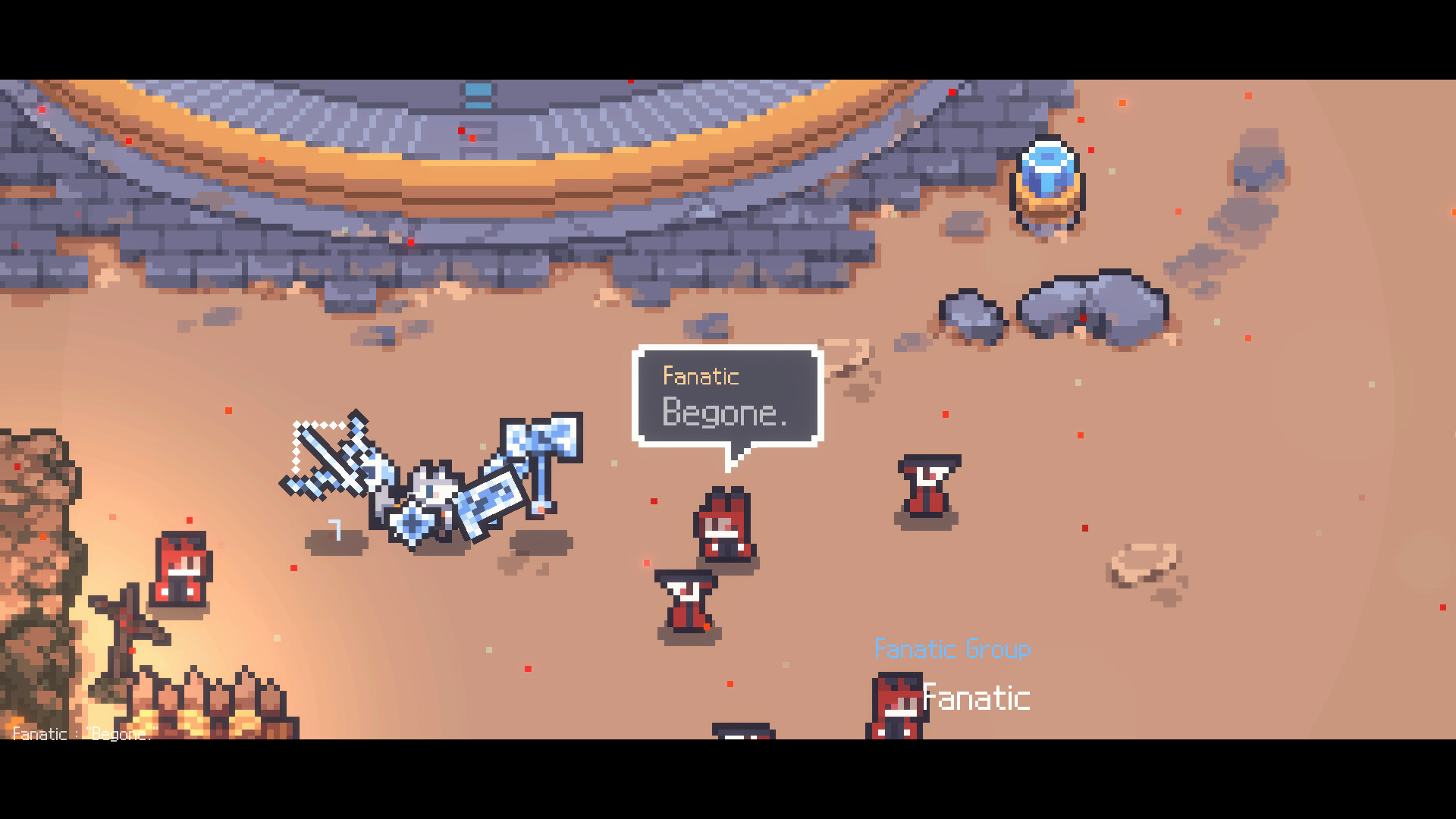
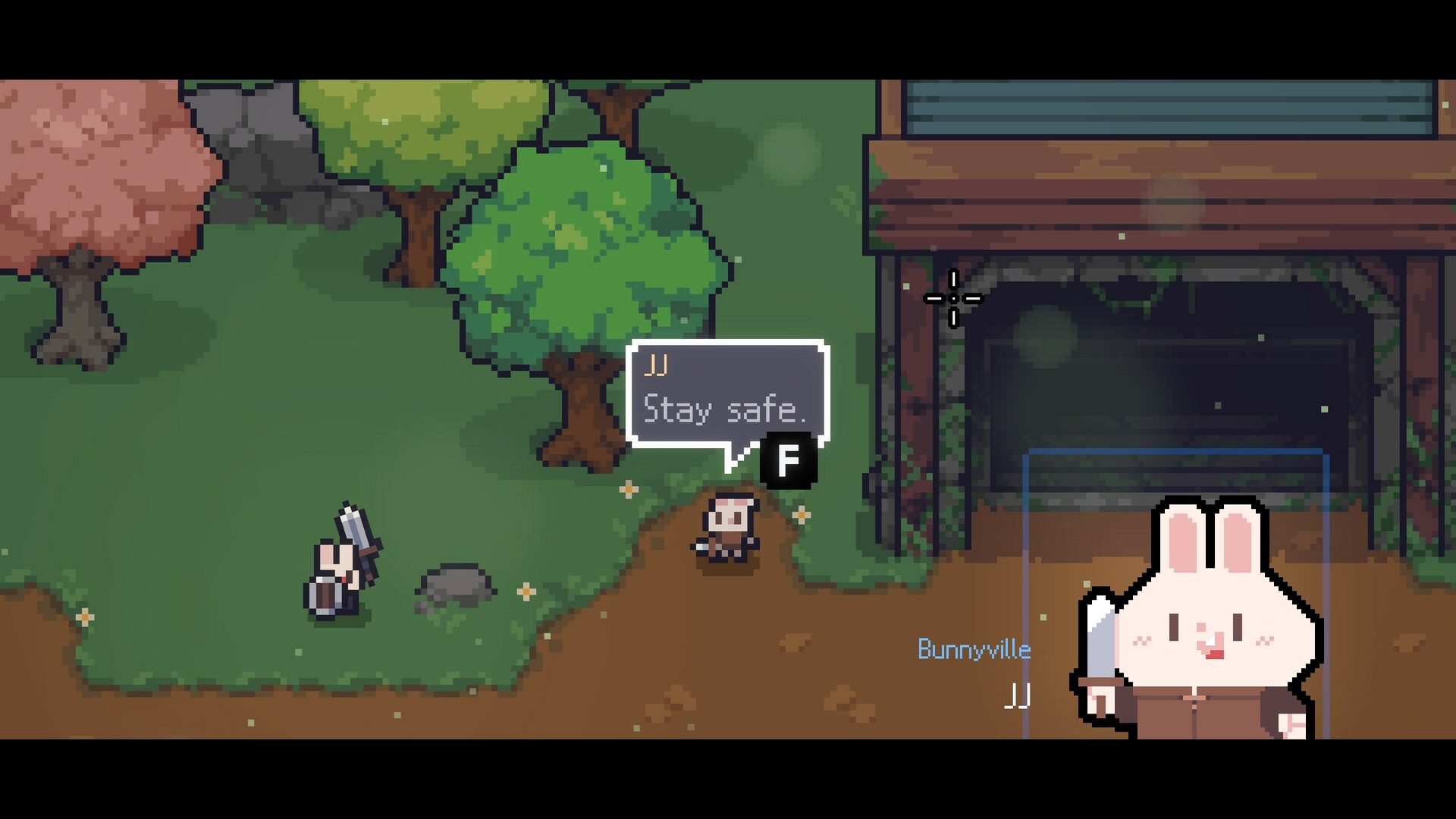
What Sephiria is in Version 1.0
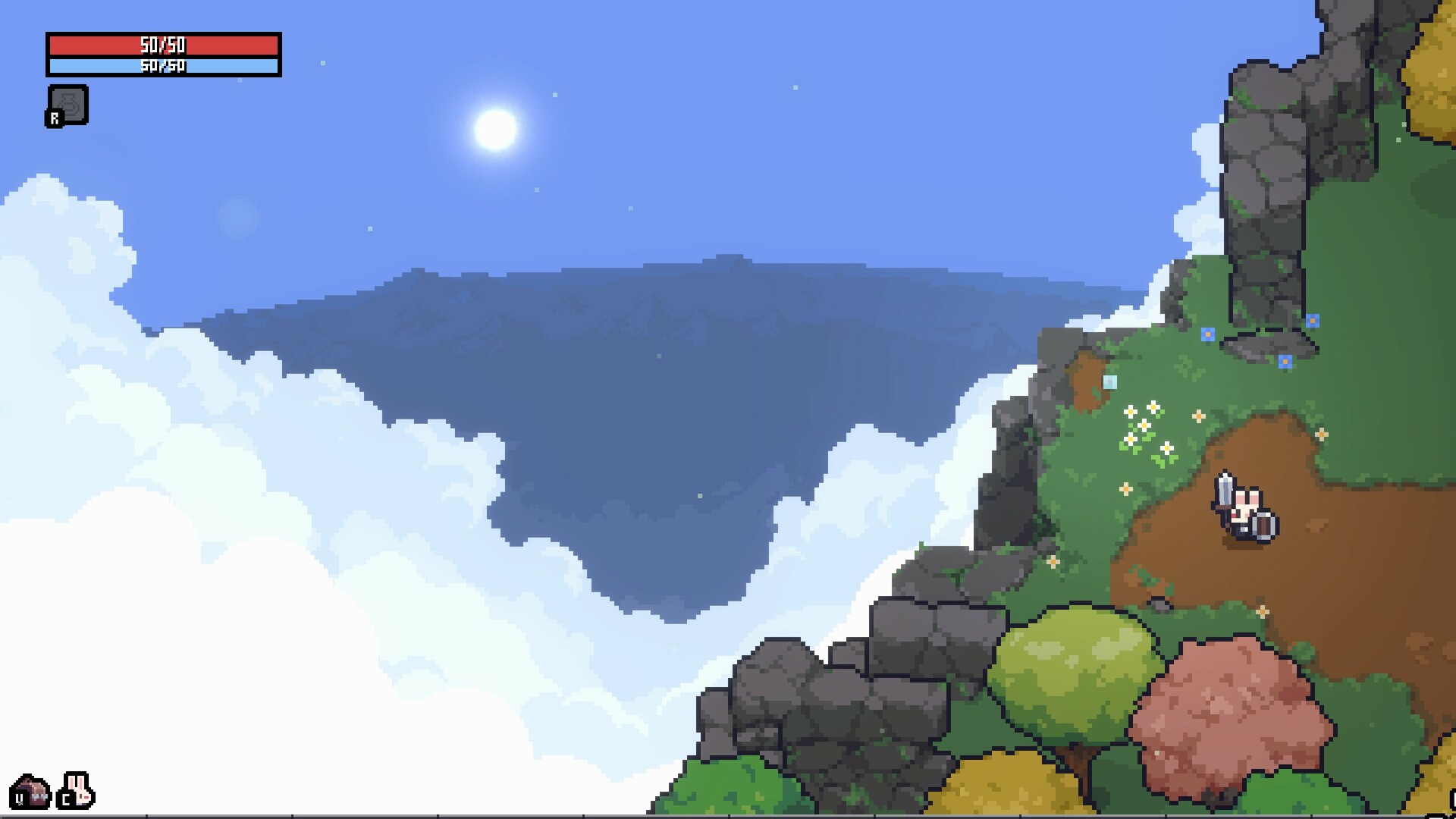
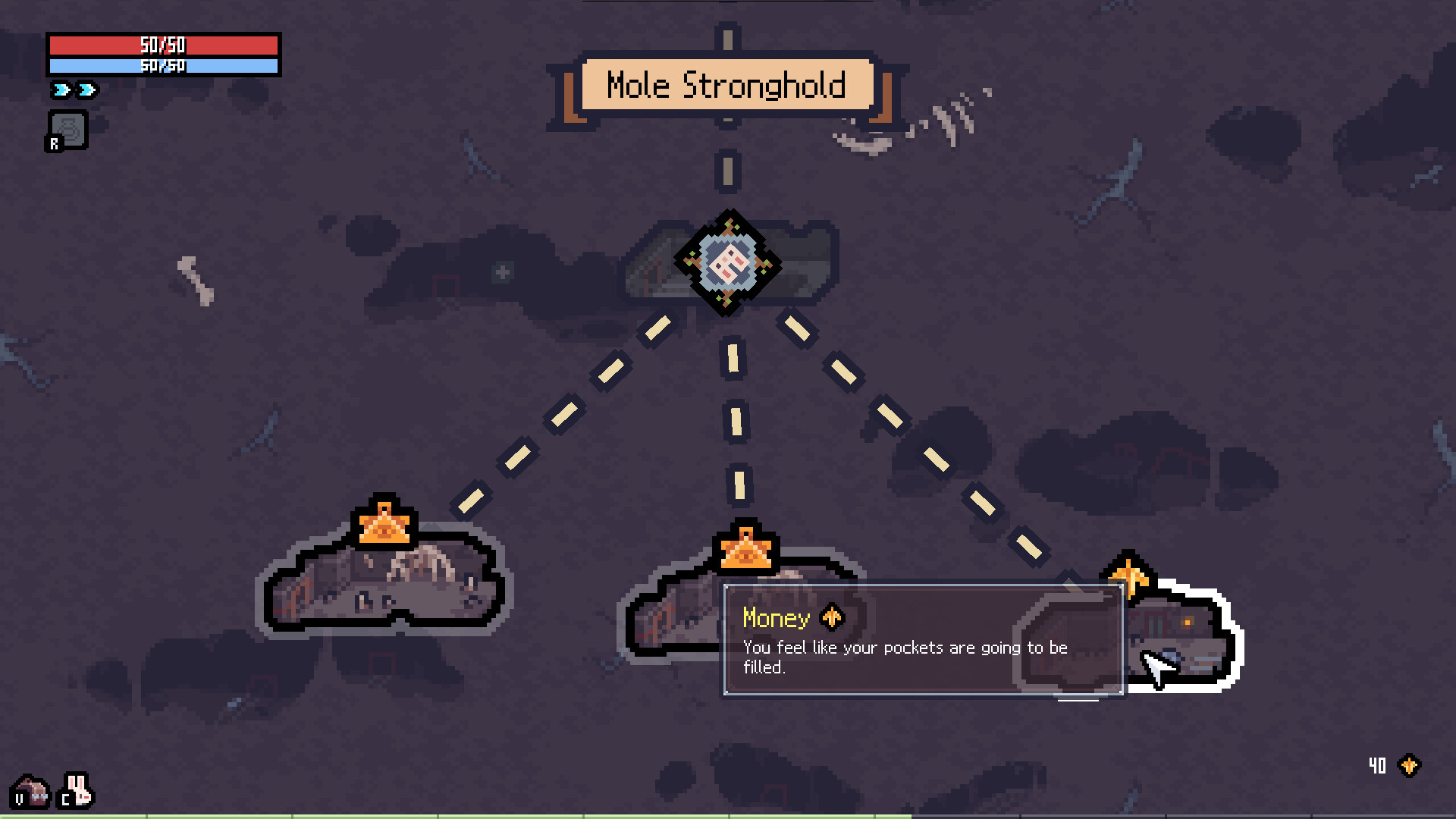
Sephiria is a top-down pixel-art action and RPG roguelite developed and published by TEAM HORAY, the studio behind Dungreed. On the Day of Destiny, a terrible omen strikes Bunnyville: demons threaten to slaughter the bunny villagers unless the player stops them. You play as a rabbit who leaves the village, descends a tower, fights demons, meets animals along the way, and returns stronger by collecting and arranging power systems rather than by grinding a single fixed loadout.
Steam lists Sephiria as single-player and online co-op for up to four players, with achievements, full controller support, DualSense support, Steam Cloud, and Family Sharing. Version 1.0 left Early Access on 31 July 2026. The launch announcement frames a full six-chapter structure, six weapon branches, more than 200 weapon upgrades, roughly 300 Artifacts, roughly 70 Tablets, more than 30 Potions, more than 20 costumes, 18 Hard Mode elements, and twelve in-game languages. Those numbers are launch-scale context for this wiki—not a promise that every individual record is already catalogued on day one.
This site is an independent field manual. It is not affiliated with TEAM HORAY. Official Steam pages and developer news always outrank fan summaries when wording or numbers differ.
Planning starts with the systems the game actually names
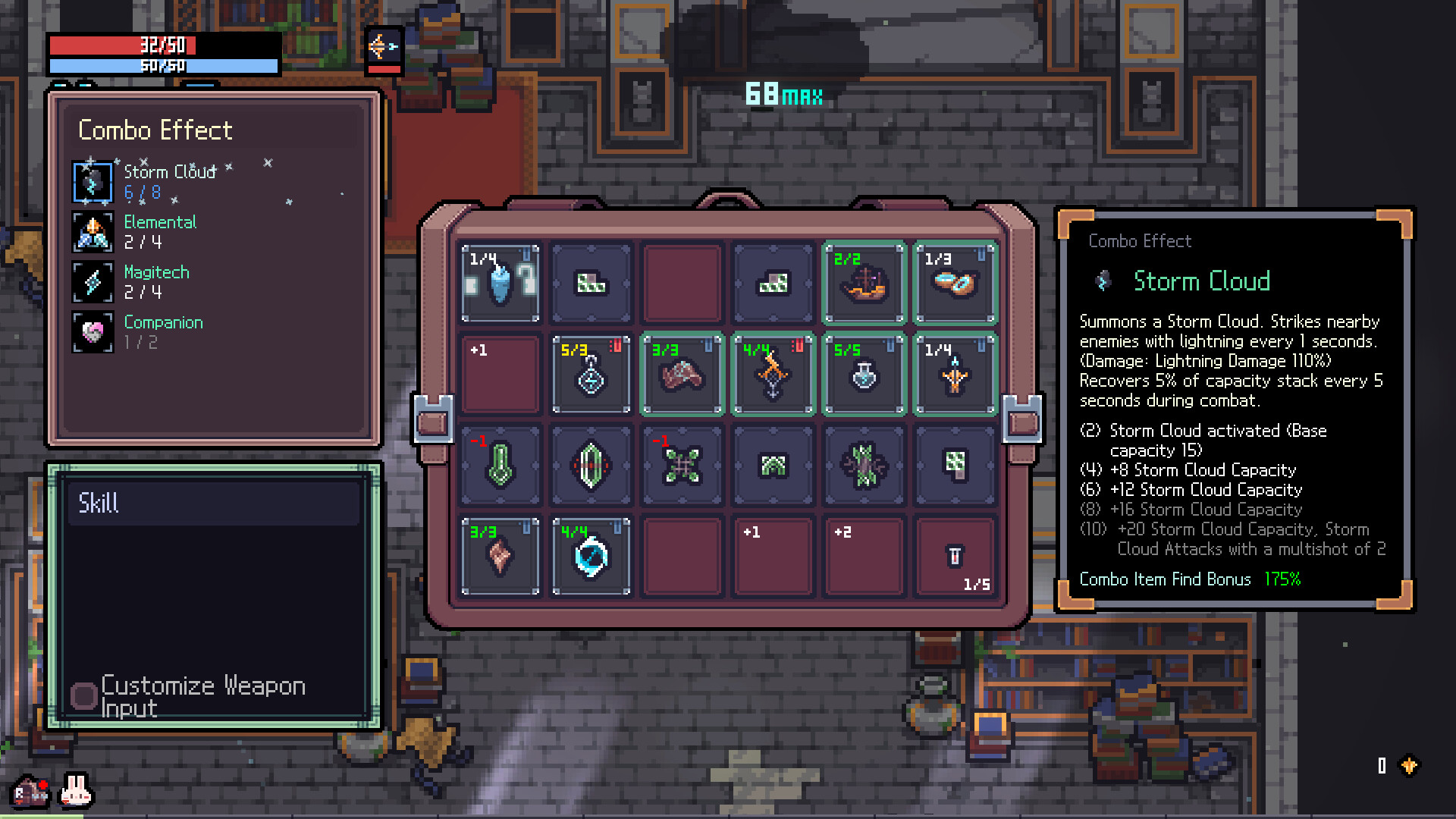
Fast attacks and blocking set the combat baseline. Between and during those exchanges, the run is shaped by what you equip and how you place it. Artifacts grant effects. Tablets enhance adjacent Artifacts, which means inventory arrangement is not cosmetic—it is part of the build. Weapons sit on six launch branches with a deep upgrade pool, so branch choice and upgrade order matter as much as raw aggression.
A useful run plan therefore has three layers. First, learn the combat verbs: when to commit attacks, when to block, and how controller or keyboard inputs support that rhythm. Second, treat the inventory board as a placement puzzle: Artifacts occupy cells, Tablets care about direction and adjacency, and a strong board can outscale a careless pile of rare-looking pieces. Third, track chapter progress and patch changes so you know which launch systems are available in the build you are actually playing.
This homepage routes those layers to dedicated pages. The beginner guide expands combat and inventory habits. The walkthrough holds a six-stop chapter ledger without inventing story beats the official materials have not named. The Artifacts, Tablets, and weapons indexes keep launch-scale structure ready for verified entries. Patch notes capture the 1.0 launch post and the 1.0.21 hotfix line as first-party chronology.
How to use this field manual during a run
Open the beginner guide when you need the combat and inventory baseline before a first successful descent. Open the walkthrough when you only need to know which chapter band you are in and what systems connect to that band—without reading unearned story spoilers. Open Artifacts or Tablets when a board decision is blocking progress: which effect family you are chasing, or how adjacency is supposed to work at a category level.
Open weapons when you are comparing the six branches or trying to understand where the 200-plus upgrade pool sits relative to a run. Open characters only for category context about Bunnyville, animals, and demons; named individual bios are withheld until first-party evidence supports them. Open patch notes after any update so hotfix language does not get confused with the original 1.0 feature list.
Media on this site comes from official Steam store assets and developer-hosted trailers. Screenshots may be cropped for layout, but they are not recolored into fictional game art. Counts such as “about 300 Artifacts” are quoted as launch-scale language from TEAM HORAY, not as a live database size guarantee for every filter on this wiki.
Solo runs, online co-op, and Hard Mode context
Steam categories confirm both single-player and online co-op. The 1.0 materials describe online co-op for up to four players, which means the same tower-descent fantasy can be played as a shared run rather than only as a solo climb. This wiki does not invent private matchmaking rules or unstated host-migration details; it only records the capacity and mode tags that first-party surfaces publish.
Hard Mode is part of the launch package as eighteen Hard Mode elements. Treat that as a difficulty and modifier layer sitting beside the six-chapter campaign structure, not as a separate unverified story route. When you are learning the game, finish a clean reading of combat, adjacency, and one weapon branch before stacking Hard Mode elements on top of incomplete fundamentals.
Controller support is first-class on the Steam page, including DualShock and DualSense mentions alongside keyboard and mouse expectations for a top-down action title. If a mechanic depends on precise blocking windows, prefer the input device you can time consistently rather than switching mid-run without reason.
Official launch trailer
Frequently asked questions
Is Sephiria wiki official?
No. Sephiria.org is an independent fan-made field manual. TEAM HORAY remains the developer and publisher. Use Steam and official developer channels for purchases, support, and authoritative patch text.
What does Version 1.0 include at a high level?
First-party launch materials describe six chapters, six weapon branches, more than 200 weapon upgrades, about 300 Artifacts, about 70 Tablets, more than 30 Potions, more than 20 costumes, 18 Hard Mode elements, twelve in-game languages, and online co-op for up to four players, alongside the single-player campaign.
Why are Artifacts and Tablets separate pages?
Artifacts grant effects, while Tablets enhance adjacent Artifacts. Splitting the indexes keeps effect lookup separate from placement rules so a mid-run question does not force you to reread the entire item fantasy.
Why is the characters page short?
Official store copy establishes a rabbit from Bunnyville, demons, and animals met during the descent. Named individual character pages stay offline until first-party evidence supports specific names, portraits, and roles.